H&M employs approximately 135,000 people worldwide, according to the company’s latest group overview and annual reports. H&M’s latest disclosures show roughly USD 22.3 billion in revenue for the trailing twelve months as of late H1 2025, with the previous full-year revenue around USD 22.3 billion for 2024 based on company filings.
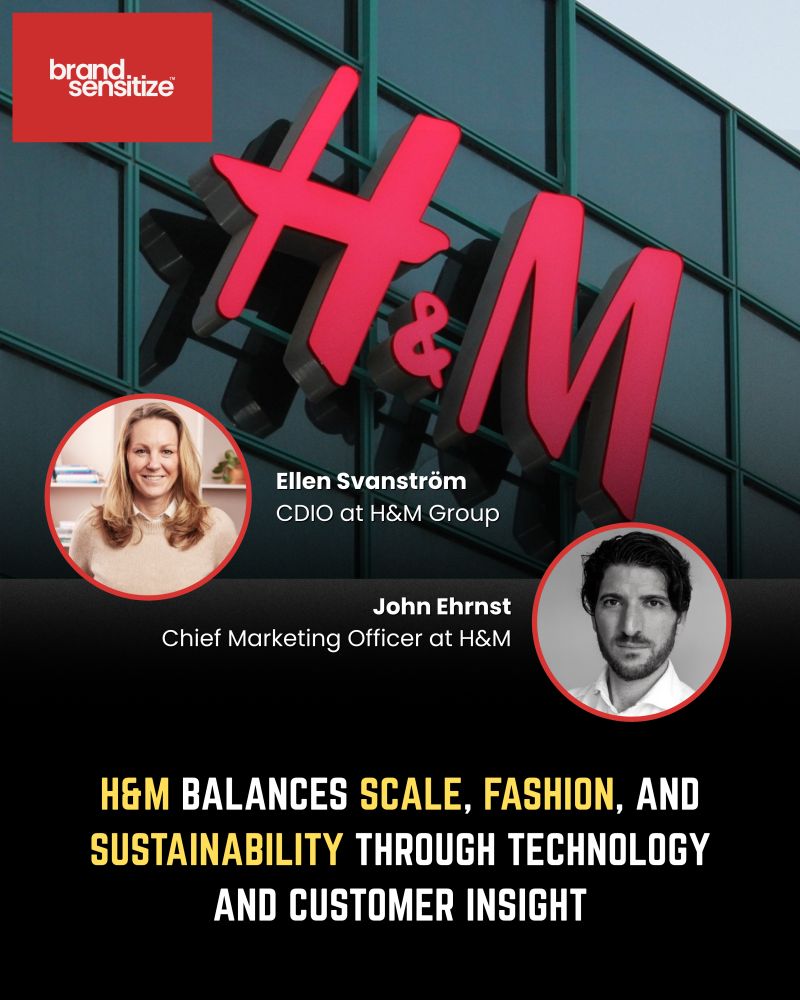
Ellen Svanström is the Chief Digital Information Officer at H&M Group, overseeing global technology and information leadership (the role equivalent to a global CIO).
H&M’s supply chain spans multiple tiers, with garments moving through 570 commercial product suppliers that manufacture products for H&M brands in over 1,100 factories, working with independently owned manufacturers in Europe, Asia, and North America. Partners handle everything from raw materials to finished products, and, like most apparel brands, H&M does not operate its own factories.
H&M’s India IT operations are led by the Head of Business Tech, India, a role currently held by Kannan Sundaram, he oversees market technology from Bengaluru and interacts with continental and global tech leadership on platforms and operations. Engineering and product roles in India encompass UX/UI design for global digital stores, SAP supply chain management, and data-driven and AI capabilities that enhance assortment, logistics, and customer experience across markets.
H&M’s brand story focuses on a shopping experience driven by data and AI that feels simple, personalized, and eco-friendly. Custom app features, one-tap checkout, and tiered membership perks reduce obstacles, while ongoing feedback from ratings, polls, and social networks helps make quick improvements.
Algorithm-based analysis predicts styles, locates assortments, and personalizes journeys across app and boutique, with chatbots boosting engagement and 3D fit/size tools cutting down on returns.
AI-driven digital models, or “twins,” streamline content creation and promotion, while supply-chain intelligence prevents overproduction, aligning speed-to-market with sustainability. The net effect: market-fit stores and immersive digital touchpoints working together to deliver relevant fashion, fewer hassles, and less waste.
Google Cloud is a key partner for H&M’s enterprise data backbone and data mesh, supporting advanced analytics and ML for customer and supply chain use cases.
SAP supports essential retail processes, including RISE with SAP pathways, which aid in planning, merchandising, and supply chain transformations.
Customer opinions on H&M products vary; many praise the affordable prices and wide selection of trends, but recurring complaints focus on inconsistent product quality, delivery problems, and unresponsive customer support.



Leave a Reply